


Dixie County History: The Riverboats of the Suwannee River
Long before highways made Dixie County Florida
easy to cross by car, the Suwannee River did much of the work. It carried people, freight, timber, mail, and news between river communities and ports. Along the lower Suwannee, steamboats weren’t just transportation, they were part of daily life that linked places like Old Town, Branford, Suwannee, and Cedar Key to a larger economy.
Why were steamboats so important here?
The river could move heavy cargo through areas where roads were rough or unreliable, making it especially important to the region’s lumber industry. Timber cut in North Central Florida could travel downriver toward Cedar Key and the Gulf of America, while supplies and passengers moved back upstream. River landings became gathering places, and captains had to know the Suwannee’s shifting channels, bends, shoals, and changing water levels almost by memory.
That’s part of what makes the riverboat era interesting today. These boats weren’t the floating pieces of history we might think of them as now, but working machines built for a river that demanded skill and experience to navigat
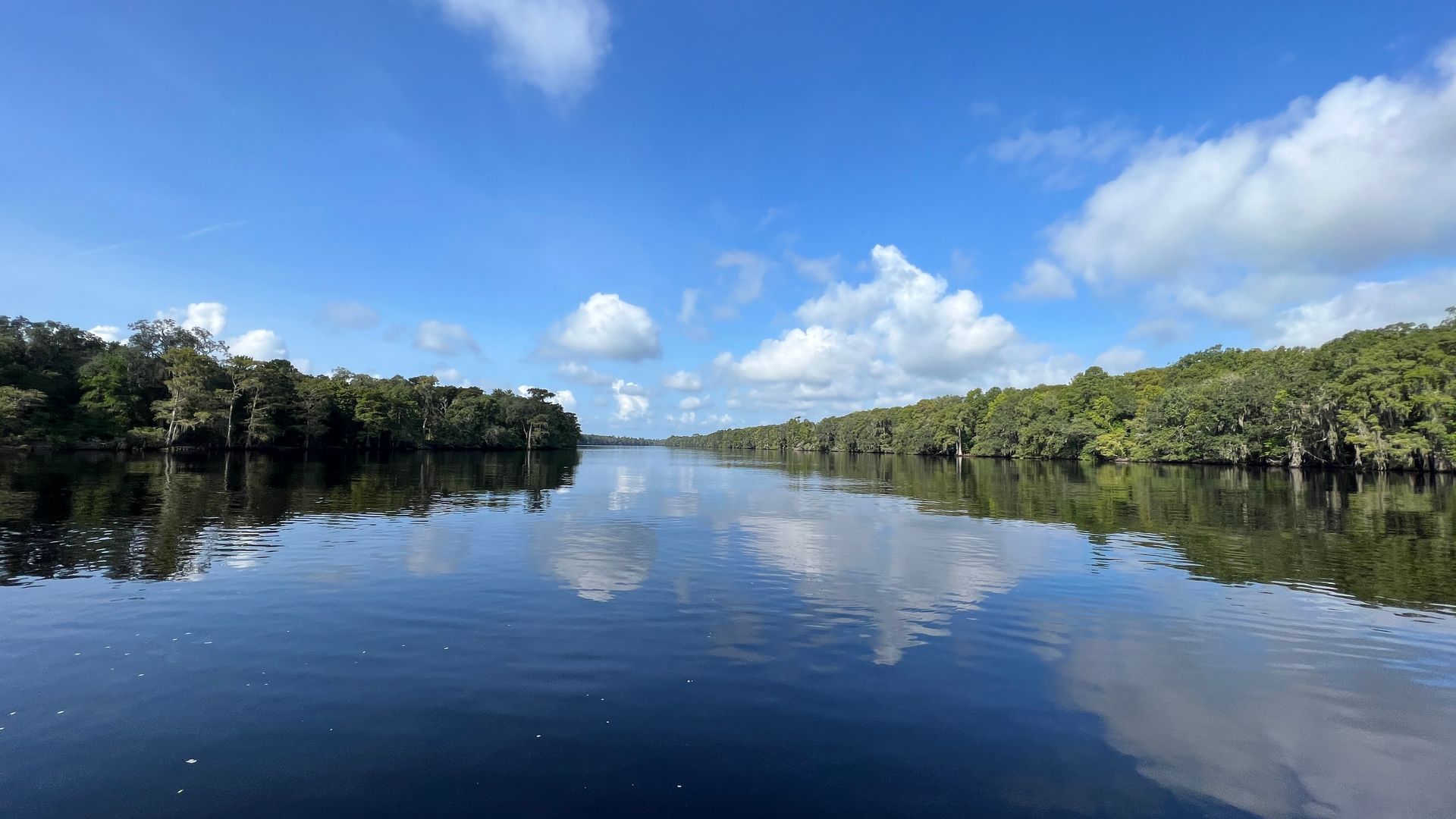
What was the Belle of Suwanee?
One of the most famous steamboats on the river was the Belle of Suwannee, built in Branford in 1889 by Captain Robert Ivey. She carried both cargo and passengers, but also earned a more romantic reputation thanks to a bridal suite that made the boat a favorite for honeymoon trips along the Suwannee.
Her story is closely tied to Dan McQueen, one of the river’s best-known pilots, who helped build the Belle of Suwannee and later piloted her along the river. McQueen was said to know the Suwannee so well that he could navigate it in darkness, an impressive skill on a river known for changing water levels, shoals, bends and shifting channels.
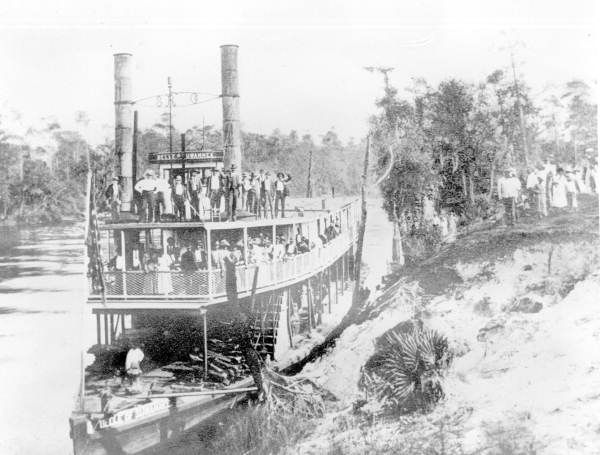
What happened to the Belle of Suwannee?
The Belle of Suwannee nearly met her end during the devastating hurricane of 1896. The storm badly damaged the steamboat, reportedly tearing away her funnels and pilothouse, but Dan McQueen managed to pilot her back to Cedar Key. The Belle survived the storm and returned to service, continuing to work the Suwannee for several more years.
Her final trip came on July 6, 1900, while she was towing rafts toward Cedar Key. The Belle sank near Horseshoe Bay, bringing more than a decade on the Suwannee to an end. Commercial steamboats continued to travel the river after her loss, but the transportation network around them was changing as expanding railroads offered a faster and increasingly practical way to move people and goods through the region.
What steamboat followed the Belle of Suwannee?
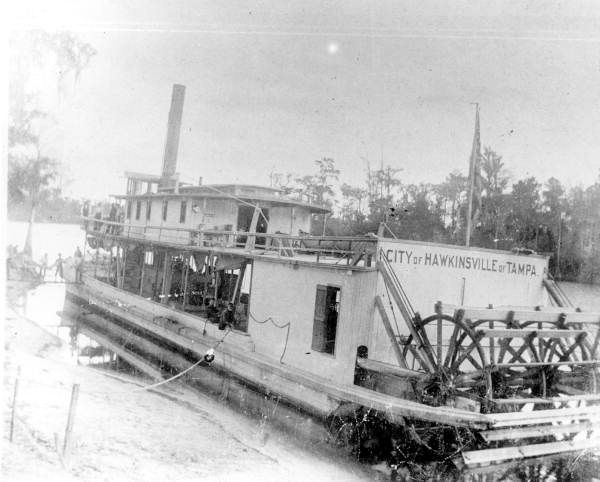
The City of Hawkinsville was a 141-foot sternwheel steamboat that began operating on the Suwannee River in 1900, the same year the Belle of Suwannee was lost. It became the largest and last steamboat stationed on the river, hauling lumber and supplies between Branford, Clay’s Landing, Old Town and Cedar Key.
The City of Hawkinsville also carried materials used to build the railroad bridge at Old Town, creating an interesting twist in its history: the expanding rail network it helped build would eventually make steamboats less necessary.
By 1922, the steamboat was no longer profitable to operate and was abandoned near Old Town, where its wreck remains underwater on the Dixie County side of the Suwannee today. Now a Florida Underwater Archaeological Preserve and listed on the National Register of Historic Places, the wreck can be reached by boat, although diving the site is considered advanced due to strong currents and limited visibility.
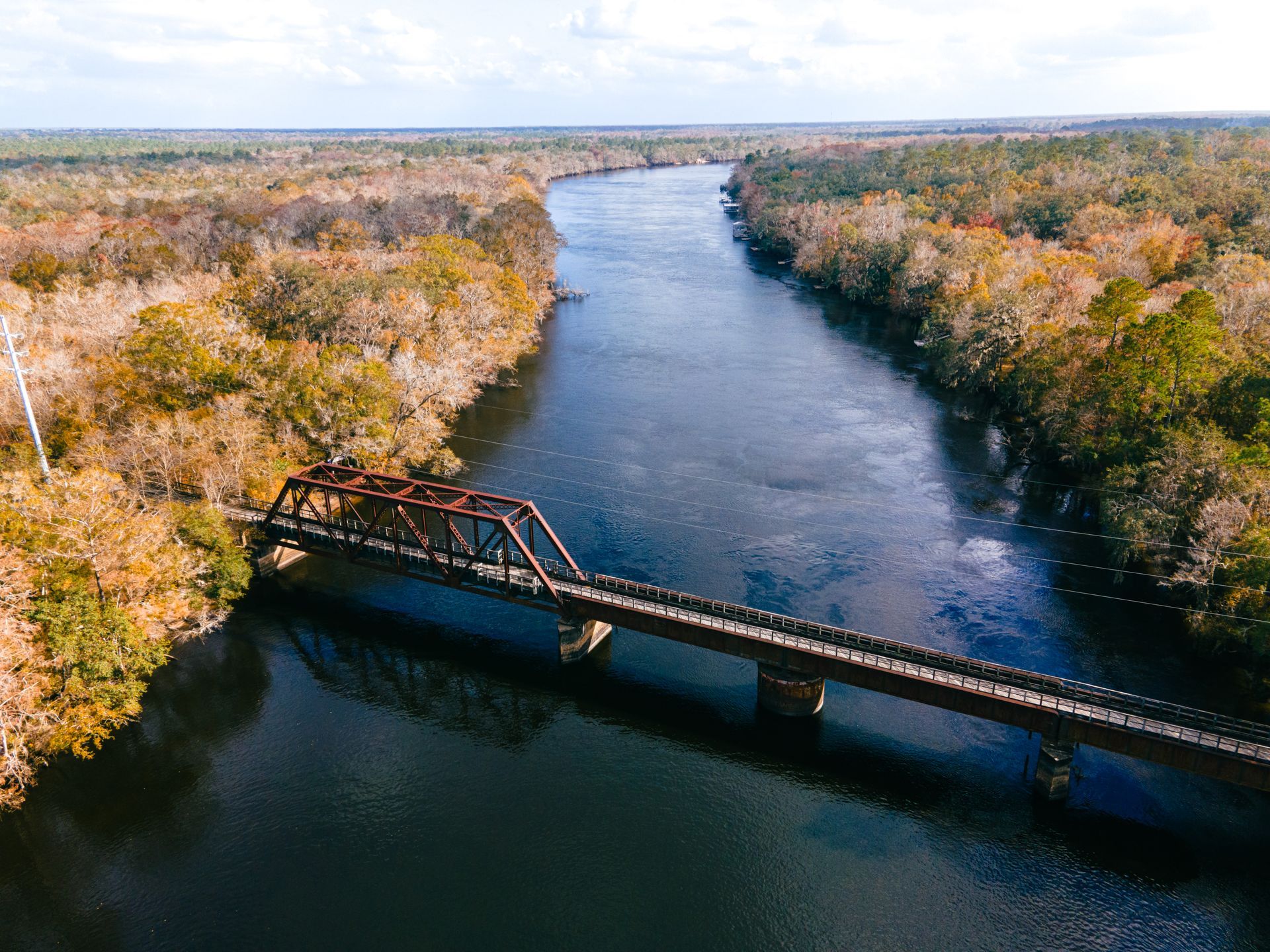
Today, the lower Suwannee may be a place to
paddle, fish, or simply enjoy the scenery, but the same river once served as an important transportation route for people and goods. The old railroad bridge, historic landings, and the City of Hawkinsville wreck are reminders of that working past and of the people who navigated these waters long before modern roads crossed Dixie County.